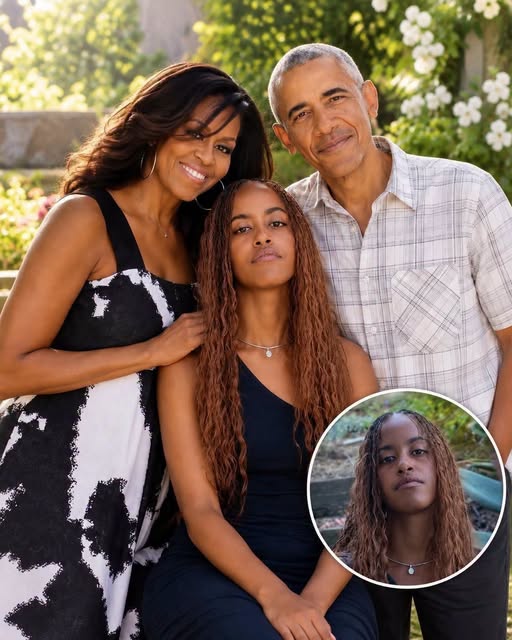
A dramatic headline about Malia Obama has been circulating online, using urgent language and a family-style image to suggest that something major was “confirmed” in Los Angeles. It is the kind of post designed to make people stop scrolling, click quickly, and wonder what they may have missed.
But before treating any viral celebrity claim as fact, there is a simple question worth asking: what actually confirms it?
In this case, the key issue is not whether a photograph exists or whether the headline sounds current. The issue is whether the post provides reliable evidence that the claimed event happened, when it happened, and who verified it.
Why the Headline Caught Attention
Celebrity-related posts often spread fast because they combine familiar names with curiosity. When a headline includes phrases such as “confirmed,” “breaking,” “just revealed,” or “20 minutes ago,” it creates a sense of urgency that can make readers react before checking the source.
That urgency is part of the design. A recent-looking timestamp may refer only to when a page was published or updated, not when the alleged event occurred. A dramatic caption can make an old or unrelated image appear connected to a new claim.
That distinction matters. A real photograph can still be used in a misleading way. An image may show people together at one moment in time, but it does not automatically prove the details of a headline attached to it.
In the post being discussed, the family-style photo alone does not establish that a major event happened in Los Angeles. Without independent reporting or a primary source, the claim remains unverified.
How to Check a Viral Celebrity Claim
Readers do not need special tools to slow down a misleading post. A few basic checks can make a major difference.
Start with independent reporting. Search the central claim in a few different ways and look for coverage from established news organizations. If every result repeats the same wording without clear sourcing, that is a warning sign.